
My notebook says: August. Dorms. The first backpack of the season getting packed. While you’re helping with that, I want you to think about something small that could end up much bigger.
A sixteen-year-old came into my emergency department breathing four times a minute. A friend found him unresponsive. His lips had the gray tinge I’ve learned to recognize and never fully get used to. We pushed naloxone, the medication that reverses opioid overdose, and I stood at the bedside counting his breaths, working out whether we’d need to put a tube down his throat to keep him breathing.
His mother told us later he was a good kid. Honor roll. Soccer. He’d taken what he thought was an Adderall, borrowed from a friend before a late study session. The pill looked real. Same color, same shape, even the right number stamped on it.
It was a counterfeit. And it carried fentanyl.
The Why
Here’s what almost no parent knows. Teenagers are using drugs at close to the lowest rates recorded in decades. They’re also dying at rates far above where they sat before the pandemic.
Adolescent drug use hasn’t become more common. It’s become more lethal. From 2020 through 2024, fentanyl was involved in three of every four overdose deaths among Americans aged 10 to 19.
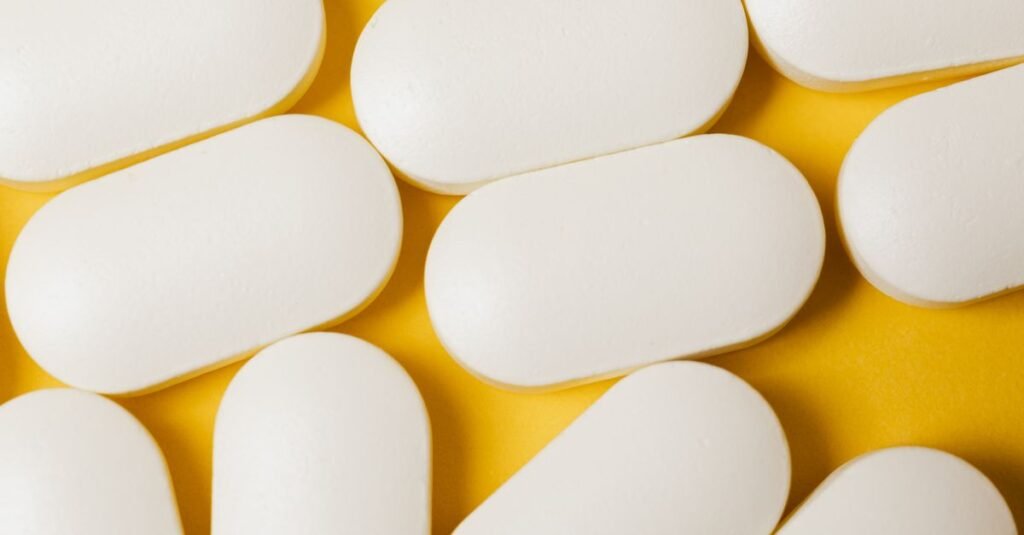
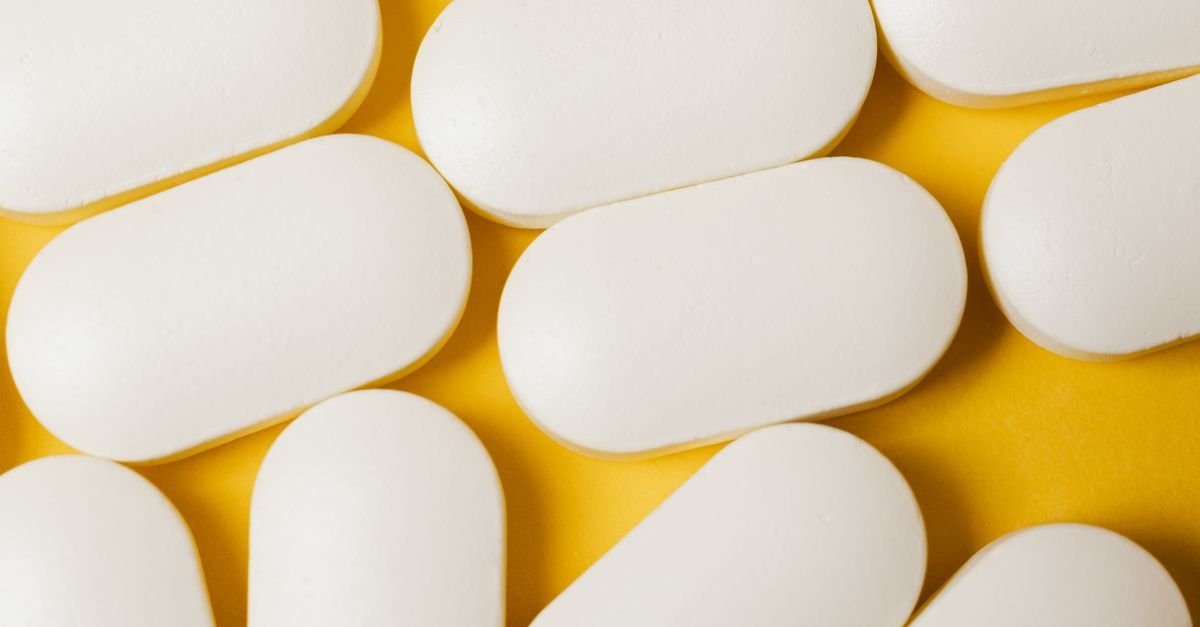
Counterfeit pressed pills are why. These are fake medications built to look identical to real ones. Oxycodone, Xanax, Adderall, Percocet — matched to the color, shape, and imprint of the genuine article.
Two milligrams of fentanyl kills an average adult, and two milligrams is invisible. Federal survey data show nearly half of teenagers don’t know those pills frequently carry a lethal dose.
Coach’s Math Two milligrams of fentanyl = one lethal dose for an average adult. Two milligrams = roughly the size of a grain of salt. You can’t see it. You can’t smell it. A pill can look perfect and still hold a full dose.
The How
This reaches well past teenagers who use drugs recreationally. It reaches any young person who’s ever swallowed a pill that didn’t come from a pharmacist. A pill borrowed from a friend. A pill bought from someone at school. A pill that looked legitimate because it had a number on it.
I’ve worked in emergency departments for more than a decade, and I can’t tell these pills apart by looking at them. Neither can your kid.
I know what you’re thinking, because parents tell me some version of it every week. Not my kid. My kid isn’t using drugs.
The sixteen-year-old I described wasn’t using drugs either, by any definition his mother would have recognized. He borrowed a study aid from a friend, the way kids have borrowed study aids for forty years. What changed isn’t your child. It’s what’s in the pill.
A teenager who swallows one pill at a party isn’t managing a tolerance or a habit. There’s no gradual escalation for you to notice and interrupt. The first exposure and the fatal exposure are often the same event.
So the conversation has to happen before anything does. It doesn’t need to open with a lecture. Open with something concrete instead.
Any pill that doesn’t come from a pharmacist with your name on the bottle might contain fentanyl. That includes pills that look exactly like real medication, and pills a trusted friend swears are fine. One pill kills, and there’s no way to know by looking.
Teenagers hear that when you say it honestly and without condescension. What they rarely hear is anything specific enough to act on. Telling a teenager that drugs are dangerous accomplishes nothing. Telling her that the pill a classmate hands her might be a professionally manufactured counterfeit with a lethal dose inside it gives her something she can use.
What to Include in the Conversation
Two more things belong in that conversation.
The first is naloxone. It’s available without a prescription at most pharmacies, from many doctors’ offices and emergency departments, and free by mail through several national programs. It reverses opioid overdose in minutes. Keep it in the house the way you keep a first aid kit. When families ask me whether having it sends the wrong message, I bring up seatbelts.
The second is fentanyl test strips. They detect fentanyl in a substance before it’s consumed. They’re legal in most states and available online. They guarantee nothing. For a teenager who’ll make her own decisions regardless of what any adult says, they’re information, and information is exactly what she doesn’t have now.
If Your Kid Is Heading to a Dorm
If your kid is heading to a dorm this month, have the conversation before they go. Counterfeit Adderall is the version of this that finds college students, because a fake pill sold as a study aid during finals week reaches kids who have never touched anything else. A conversation in August is worth more than a phone call in December.
I’ve sat with parents at two in the morning while they worked through the gutting recognition that they hadn’t known. They hadn’t known the pills look real. They didn’t know how ordinary counterfeits have become. What I see on those faces isn’t failure. It’s what someone looks like when nobody gave them the information.
The boy I treated went home. When he was awake, and we finally had a moment, his mother asked me what she should have said to him beforehand. I told her what I’ve told you.
Identifying details in this account have been changed to protect patient privacy. This post is for general information and is not a substitute for professional medical advice. If you have questions about your child’s health, talk to your doctor.
More resources: US Drug Enforcement Administration – One Pill Can Kill and US CDC – Fentanyl Facts.
Your Move:
- Today (5 minutes): Look up where you can get naloxone. Most pharmacies carry it without a prescription. Keep it in the house the way you keep a first aid kit.
- This week: Have the conversation. Start with the concrete line: any pill that doesn’t come from a pharmacist with your name on the bottle might contain fentanyl.
- Before August ends: If your kid is heading to a dorm, have the talk before they go. A conversation in August is worth more than a phone call in December.