
It was a Tuesday before my first session of the day. I was grabbing water, glanced in the mirror, and stopped. A brown spot on my cheekbone I had never seen before. I’m a coach who can tell a 5% deadlift PR from a 10% one, but that spot? I had no data for it.
So I did what you do when a number on the scale won’t make sense: I went to a professional. I sat down with board-certified dermatologist and Mohs skin cancer surgeon Dr. Sheila Farhang, founder of Avant Dermatology in Tucson and Beverly Hills, and asked her the question I know half my 40-something clients are asking in their heads: is it too late to undo sun damage? Her answer in one line: “It’s never too late. Even at 40, the little things still really do add up.”

This isn’t professional medical advice, though. It’s what a board-certified derm told me, translated into what you can actually do on a training day. When in doubt, ask your own derm.
The Why: Why 40 Is the Turning Point
Dr. Farhang sees it all the time at the end of summer: patients in their late 30s and early 40s come in for the cumulative effects of sun damage and photoaging. Sun damage builds up over years, and as we age, the repair side gets harder. Her words: “Our skin cells just don’t bounce back or recover like they used to, as collagen and elastin production declines.”
So the 40s playbook has two jobs: speed up the cell turnover that has slowed down, and rebuild the collagen and skin barrier you’ve been spending all these summers. You don’t need a full biohacking setup. You need the right products, used consistently.
What You’re Actually Looking At
The uncomfortable truth Dr. Farhang didn’t soften: any tan in summer is technically skin damage. The sun isn’t just coloring you. Over years, that exposure shows up as:
- Uneven skin tone
- Hyperpigmentation or brown spots
- Redness
- Fine or deep lines
- Enlarged pores
- Changing skin texture
- Skin laxity
Hormones can exaggerate all of it, which is part of why melasma tends to show up in our 40s. The sun adds stress to the skin, and that stress depletes your collagen and elastin reserves even further. But here’s the coach’s take: it doesn’t have to feel inevitable. With the right adjustments, a little prevention goes a long way.
How to Prevent Further Damage (Start Today)
Prevention is the whole game, and the good news is sunscreen has gotten a serious upgrade. Modern formulas are convenient and non-comedogenic, and reapplication sticks and sprays are everywhere now. No excuse not to reapply every two hours outdoors.
Dr. Farhang also flags post-sun care as rising. Skip the old-school aloe-only mindset and look for post-sun serums that restore the skin barrier: glycerin and hyaluronic acid for hydration, plus vitamin E, ceramides, peptides, and niacinamide to reduce redness and prevent oxidative stress damage.
The How: What Actually Repairs Sun Damage
Once prevention is dialed in, the repair toolkit is three ingredients with the strongest evidence behind them, per Dr. Farhang: a retinoid, vitamin C, and topical peptides.
Retinol: the turnover workhorse
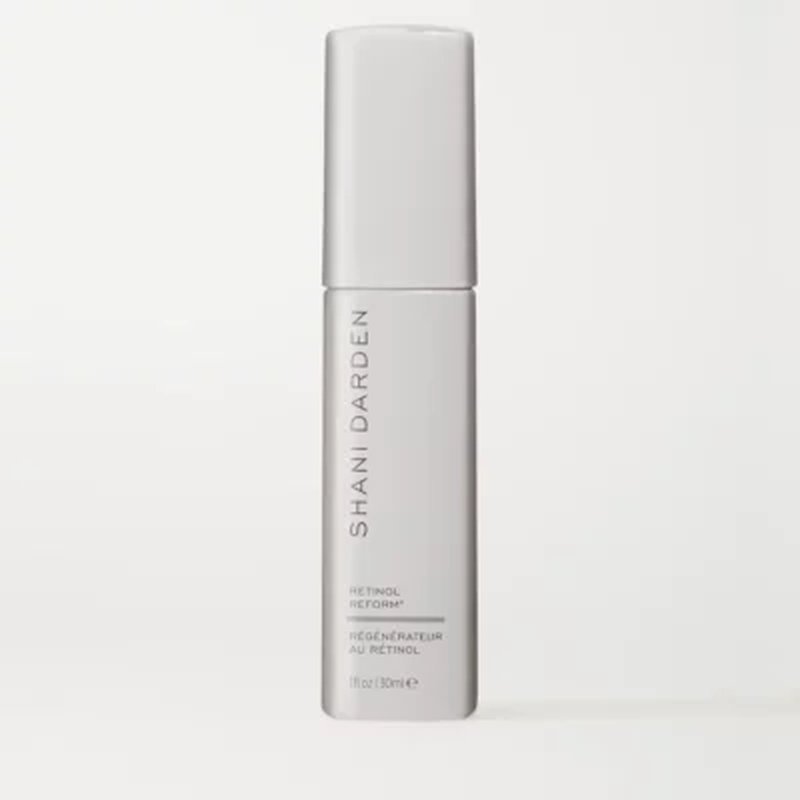
Retinol is the tried-and-true ingredient for cell turnover and collagen building. Dr. Farhang says dermatologists can tell instantly if a patient consistently uses retinol, especially in their 40s and beyond. Start with an over-the-counter option, or ask your derm for a prescription-strength formula matched to your skin.
What I’ve seen in the shop: Shani Darden Skin Care Retinol Reform runs about $74. It’s the one I’d put on the shelf first if you’re starting tonight.

Vitamin C: the antioxidant layer
Vitamin C doesn’t just brighten skin. It’s a powerful antioxidant that helps prevent free radical damage, and free radicals are what break down the collagen and elastin your skin needs for repair. It also works alongside your sunscreen to help prevent UV damage. Don’t skip it before SPF.
Look for serums that pair vitamin C with other antioxidants like niacinamide, resveratrol, ferulic acid, and the increasingly buzzy azelaic acid. Two options I’d actually point a client to: Zure Solaris Essential Serum at $148, and Medik8 C-Tetra Advanced Vitamin C Gel-Serum at $78. The Medik8 is the one I’d start with. It’s cheaper and does the job.
Peptides: the quiet builders
Peptides are everywhere right now, and they’re not just in injectables anymore. They increase hydration, stimulate collagen production, and support the skin’s natural building blocks for a stronger barrier. If you want something you can add to your routine without overthinking, a peptide moisturizer is the easiest on-ramp. OLEHENRIKSEN Strength Trainer Peptide Boost Moisturizer runs about $40.50.
In-Office Options (If You Want More)
For existing damage that daily products can’t reach, Dr. Farhang recommends resurfacing treatments. What she actually lists:
- Microneedling — stimulates collagen with minimal downtime. Her word on it: “Very underrated.”
- CO2 lasers — resurface skin, and per Dr. Farhang, have recently been shown to help with texture, lines, and crepey skin, and to actually decrease cellular skin aging.
- Morpheus8 — energy-based device that tightens skin using radiofrequency.
- Ultherapy — tightens skin using ultrasound technology.
- IPL — energy-based device popular for addressing reds and browns: broken blood vessels, rosacea, sun spots. One caveat: IPL may not be suitable for darker skin tones, so consult your derm before booking.
Her honest warning: in-office treatments can’t undo deep damage on their own. “People are way better off staying consistent with smaller, non-surgical treatments from a derm than doing nothing and then jumping straight into a facelift,” she says. “That’s basically what I tell my patients daily.”
Coach’s Math: If sunscreen costs what it costs and you reapply every two hours outdoors, the math is simple: it’s the cheapest anti-aging tool you’ll ever buy. Retinol at $74, a vitamin C serum at $78, a peptide moisturizer at $40.50. That’s a full repair routine for less than one in-office treatment. Do the daily work first. The expensive work is the backup, not the plan.
Your Move:
- Today (5 minutes): Stand in front of the mirror. List the two spots you want to change. Write them down. You can’t fix what you don’t name.
- This week: Put a retinol (start OTC) and a vitamin C serum in your routine. Apply vitamin C in the morning before SPF. Retinol at night. Reapply sunscreen every two hours when you’re outside.
- This month: Book a consult with a board-certified dermatologist. Bring your spot list. Ask whether a microneedling session or a CO2 laser is worth it for your specific skin, or whether daily products are enough for now.
It’s not too late. It’s actually the perfect time. Start small, stay consistent, and let the collagen catch up.