
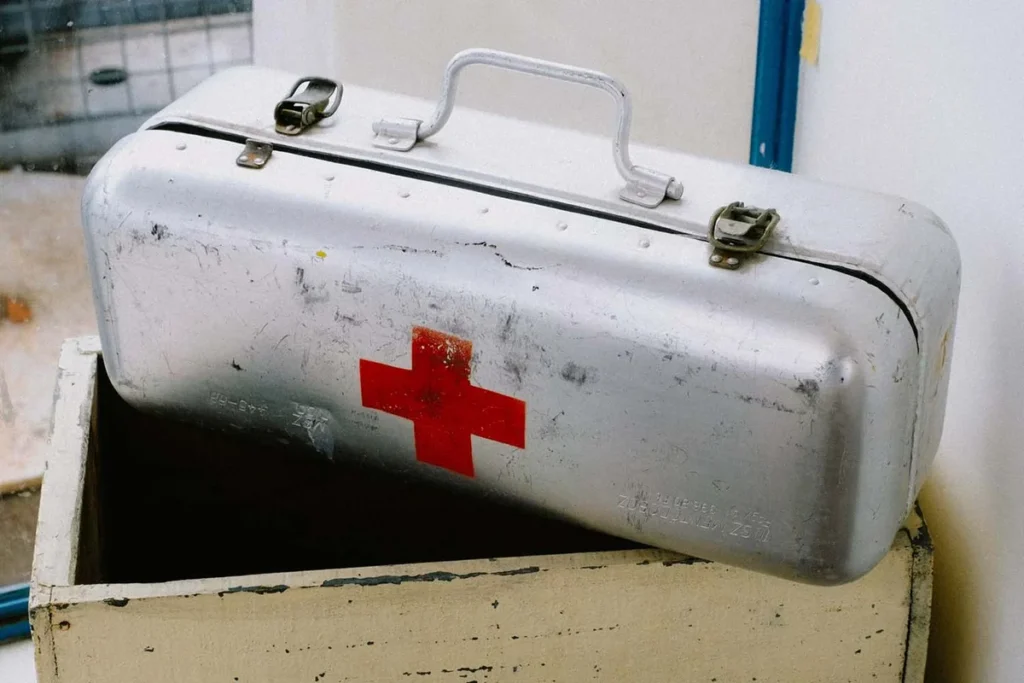
The last time I opened my first aid kit was after a bad shin splint week, and I nearly laughed at the dust on it. That’s when the question hit me: does a first aid kit go bad? I’d been treating it like a gym bag — grab it when I need it, forget it exists the rest of the time.
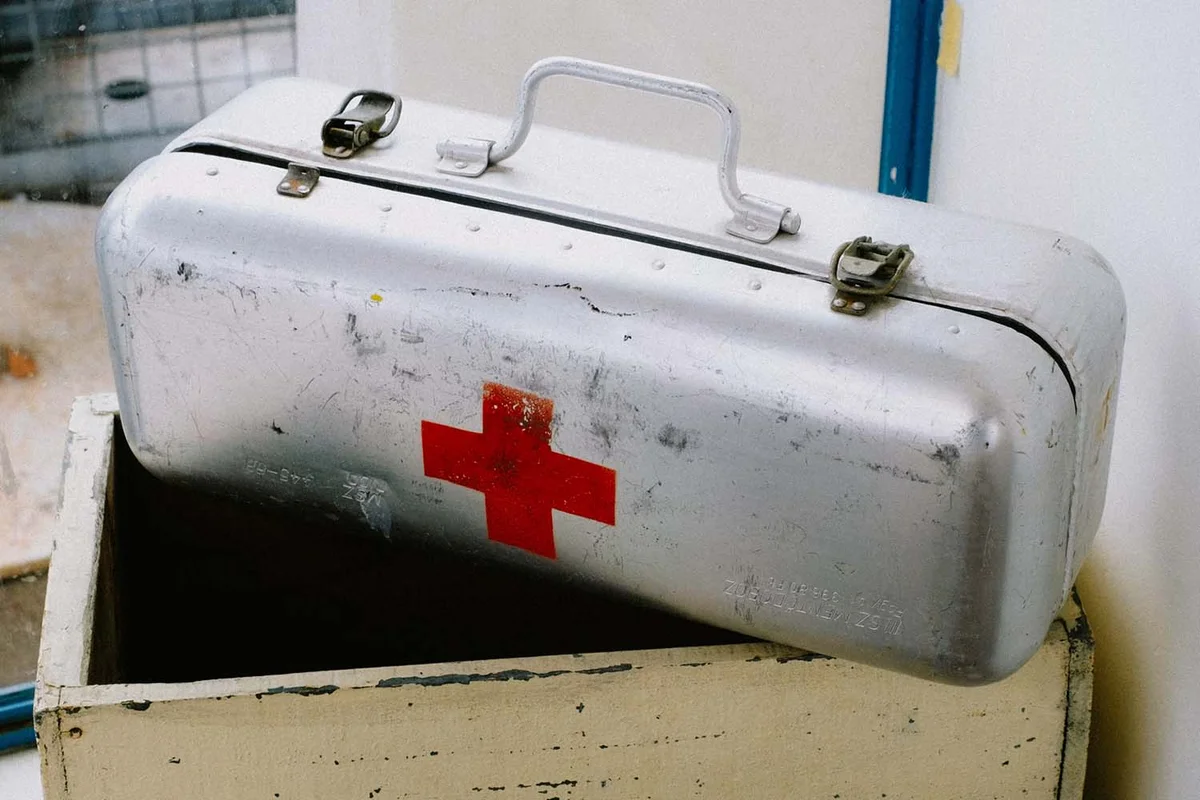
Here’s what I found, and it changed how I handle my kit. The box itself — plastic or nylon — doesn’t expire. But everything inside it does, at different speeds. The American Red Cross says most kit contents last up to 5 years if the packaging stays sealed and undamaged. But that’s a ceiling, not a guarantee. Medications are the time-sensitive part. Sterile gauze can last indefinitely until its seal breaks. Scissors and tweezers don’t expire at all.
A kit is only as reliable as its weakest item. So instead of one blanket date, I check it item by item, and I want to walk you through exactly how.
Quick note: I’m a certified personal trainer, not a doctor. For medication-specific questions, your pharmacist is the better call.
Why your kit doesn’t have a single expiration date
Most “does it go bad” questions have one answer: oxidation, evaporation, or bacterial growth. A first aid kit isn’t one product. It’s a bundle of unrelated things — drugs, sterile disposables, adhesives, tools — and each one degrades in its own way, on its own clock.
That’s why some kits carry a “3 to 5 year” sticker. It’s a planning shortcut, not a hard cutoff the way an FDA drug date is. The only way to know if your specific kit is still reliable is to open it and look.
The 4 categories, and how each one actually fails
Medications. Pain relievers, antihistamines, antibiotic ointment, hydrocortisone cream — these are FDA-regulated and carry a printed expiration date. Past it, the active ingredient can lose potency or break down chemically. This is the one category where “expired” has real teeth. The FDA warns that certain expired medications risk bacterial growth, and a weakened antibiotic can fail to clear an infection.
Sterile disposables. Gauze pads, compresses, alcohol prep pads, antiseptic wipes — these are sterile only while the packaging holds. An unopened, undamaged gauze pad can stay sterile for years. But a torn wrapper, dampness, or visible mold means it’s compromised, printed date or not. Antiseptic wipes are the sneaky one: they dry out and lose disinfecting strength over time, even when sealed.
Adhesives. Bandages, medical tape, moleskin. These don’t become unsafe with age so much as useless. The backing rarely degrades, but the glue does. An old bandage is more likely to peel off mid-use than to cause harm.
Tools. Scissors, tweezers, a thermometer, a CPR mask — the one category that genuinely doesn’t expire. Check metal parts for rust, test a digital thermometer’s battery, and otherwise these can stay in a kit indefinitely.
Shelf life at a glance
| Item | Typical shelf life | What actually happens |
|---|---|---|
| Adhesive bandages | Up to 5 years | Adhesive weakens; the bandage isn’t unsafe, just less likely to stay put |
| Sterile gauze & compresses | Indefinite if sealed | Fine until the wrapper is torn, punctured, or wet |
| Antiseptic wipes / alcohol pads | 2–3 years | The liquid dries out or evaporates inside the sealed packet |
| Antibiotic ointment | 1–3 years (per label) | FDA-regulated drug; follow the printed date exactly |
| Pain relievers / antihistamines | 1–5 years (per label) | Active ingredient loses potency; some turn chemically unstable |
| Instant cold/hot packs | 2–5 years | Internal chemical reaction weakens; won’t get as cold or hot as designed |
| Elastic/compression bandages | 3–5 years | Elastic loses tension and stops compressing effectively |
| Scissors, tweezers, CPR mask | No real expiration | Check for rust, corrosion, or cracking; otherwise fine indefinitely |
Two extras worth calling out: rubbing alcohol and hydrogen peroxide both lose antiseptic strength gradually rather than spoiling outright, so if a bottle in your kit has been sitting for a few years, give it a fizz or smell check. Battery-powered flashlights and digital thermometers too — dead or leaking cells are their own failure mode.
Signs it’s time to replace something
Swap it out if you see any of these:
- Past the printed date on any medication, ointment, or antiseptic wipe packet.
- Torn, punctured, or unsealed packaging on anything meant to be sterile — regardless of the printed date.
- Visible discoloration, brittleness, or a chemical smell in ointments or liquid antiseptics.
- Rust or corrosion on scissors, tweezers, or any metal tool.
- Bandages that won’t stick when you test the adhesive, even if they’re inside their printed date.
How I store my kit (and why it matters)
Keep it cool and dry. Heat and humidity are the two biggest accelerants across every category. A car trunk or a summer garage is the worst possible home for a kit.
Keep it out of direct sunlight. Sun degrades both the medications and the plastic casing over time.
Check it twice a year. I tie it to something I already remember — daylight saving time changes — and restock anything used or expired immediately instead of waiting for a full annual sweep.
Keep a log. I jot what’s inside and when I last checked it in my training notebook, so I’m not re-inspecting from scratch every time.
Throwing out the old stuff, safely
Expired medications shouldn’t go straight in the trash or down the drain. The FDA’s guidance recommends a drug take-back program where available. If there isn’t one nearby, mix pills with something unappealing — coffee grounds or cat litter work — seal them in a bag, and throw them out.
Chemical hot and cold packs go in regular trash, but don’t cut them open first since some contain ammonium nitrate or urea. Sharps like lancets or needles need a proper sharps container whether they’re expired or not. Everything else — old gauze, bandages, wipes, plastic tools — is safe for household trash.
FAQ
Do unused bandages ever really expire? Not in the sense of becoming unsafe. The main failure is the adhesive weakening — an old bandage is more likely to fall off than to cause harm. If it’s sealed, clean, and sticks when you test it, it’s fine to use.
Is it safe to use expired antibiotic ointment? No. It’s an FDA-regulated over-the-counter drug, and past its date there’s no guarantee it works as intended or stays chemically stable. Replace it rather than risk a wound infection going untreated.
My gauze pad’s wrapper is intact but it’s been in the kit for 8 years. Is it still sterile? Most likely. Manufacturers generally don’t guarantee sterility indefinitely, and there’s usually no printed date to check against. If it’s past 5 years and you have any doubt, it’s cheap enough to replace rather than gamble on a wound dressing.
How often should I actually go through my kit? Twice a year is the common recommendation — timed to something memorable, like daylight saving time changes — plus a quick check any time you use something from it.
Do I replace the whole kit, or just individual items? Just the items. Unless the case or pouch itself is damaged, there’s no reason to toss tools, unopened sterile items, or anything else still in good shape.
Is an expired EpiPen still safe in an emergency? If it’s the only one available during a severe allergic reaction, use it rather than nothing. Research analyzing dozens of expired EpiPens found that devices up to 4 years past their date still retained at least 80% of their labeled epinephrine dose — a discolored or cloudy solution is the only visual red flag to check for. That said, this isn’t a reason to let one expire on purpose: manufacturer and FDA guidance is still to replace it on schedule, since a full, guaranteed dose matters most in a life-threatening reaction. If you or a family member carries one, it’s the single item in a kit worth tracking most closely.
Your Move:
- Right now — set a 5-minute timer and check one item in your kit. Pull out a bandage, test the adhesive, look at its date.
- This weekend — do the full pass. Work through the shelf-life table above, replace anything past date or visibly compromised, and restock what you used.
- This month — pick your twice-a-year anchor (I use daylight saving time changes) and put it in your calendar with the kit’s location next to it.
Recovery isn’t just sleep and protein shakes. Sometimes it’s knowing that when your knee needs a bandage, the one in the cabinet will actually stick.